


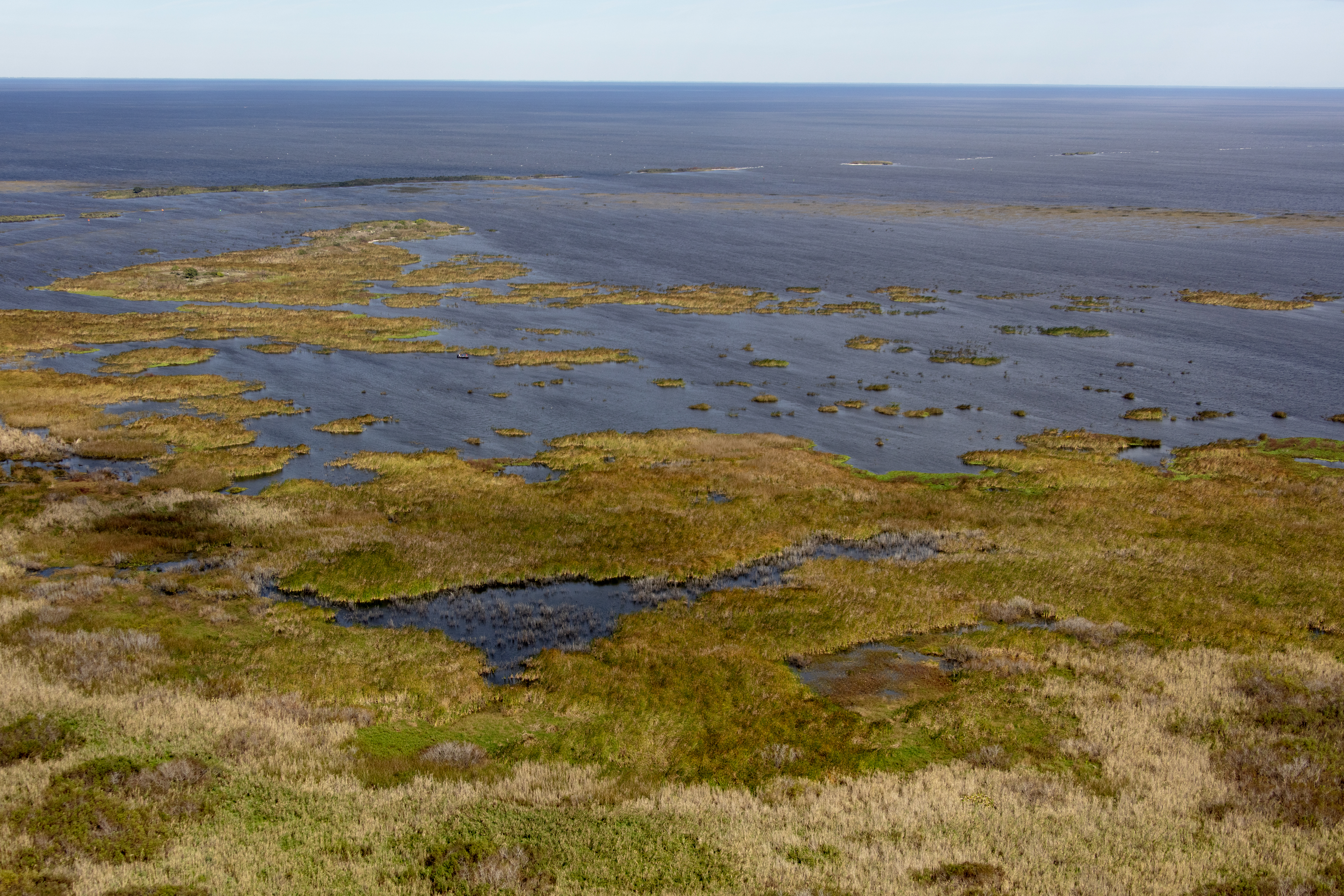
The Environmental Protection Agency and the Army Corps of Engineers recently announced a revised and final rule amending the definition of Waters of the United States (WOTUS) following the Supreme Court decision in Sackett v. EPA that invalidated the agencies’ previous definition. The revised rule took effect immediately upon its publication in the Federal Register on September 8.
The definition of “waters of the United States” is significant because it sets the jurisdictional limits of the Clean Water Act (CWA). Under the CWA, EPA and the Army Corps have the power to regulate, among other things, the discharge of pollutants to navigable water from a point source (33 U.S.C. § 1362(12)) and the discharge of dredged or fill material into navigable waters (33 U.S.C. § 1344). “Navigable waters” are defined in the CWA as “the waters of the United States, including the territorial seas.” 33 U.S.C. §1362(7). “Waters of the United States” is not defined further under the CWA, so the agencies have been left to try to craft a definition.
Since the Supreme Court’s 2006 decision in Rapanos v. United States, the agencies have relied on a “significant nexus” standard to include nearby wetlands and ephemeral waterways in the WOTUS definition. A “significant nexus” was established if the body of water “either alone or in combination with similarly situated wetlands in the region, significantly affect the chemical, physical, and biological integrity of other covered waters more readily understood as navigable.”
In January of this year, the agencies published a “Revised Definition of ‘Waters of the United States’”, which incorporated both a “relatively permanent” standard and a “significant nexus” standard. However, in May 2023, the Supreme Court decision in Sackett v. EPA rejected the “significant nexus” test, instead holding that bodies of water must have a “continuous surface connection” to a traditional navigable water to be a covered wetland (read our analysis of the Sackett decision here).
In consideration of the Sackett ruling, the agencies have again revised their final rule to conform with the Supreme Court’s decision. Under the new rule, “interstate wetlands” are no longer covered, and the “significant nexus” standard is no longer applicable in defining WOTUS. Instead, to be jurisdictional water, a wetland must be “relatively permanent, standing or continuously flowing…” and must have “a continuous surface connection” to a traditional navigable water.
As mentioned above, EPA and the Army Corps implemented the new rule immediately upon its publication in the Federal Register, circumventing any opportunity for public comment. Under the Administrative Procedure Act, the agencies can take this step where there is “good cause” that “public notice and comment procedures are impracticable, unnecessary, or contrary to the public interest.” The agencies stated that they had “good cause” to do so because the Supreme Court’s decision rendered certain provisions of the prior rule “immediately inconsistent” with the court’s interpretation of the CWA. The agencies further stated that the sole purpose of the rule was to conform with Sackett, meaning no agency discretion was involved, and imposes no burdens on the regulated community. This procedural decision could itself be subject to legal challenges.
The immediate question is how the regulated community will strategically navigate the new rule. While some may feel that it is too vague (for example, it does not define “relatively permanent”) or did not go far enough in conforming the WOTUS definition to Sackett, it is significantly narrower than the prior definition, meaning less wetlands are covered under the CWA. Any challenge to the new definition that results in a stay of the rule will result in a stay of that narrower definition.
Additionally, the previous rule from January has been enjoined in 27 states due to ongoing litigation. Since the new rule amends the January rule, the new rule will not take effect in those 27 states. EPA has explained the current status as follows:
As a result of ongoing litigation on the January 2023 Rule, the agencies are implementing the January 2023 Rule, as amended by the conforming rule, in 23 states, the District of Columbia, and the U.S. Territories. In the other 27 states and for certain parties, the agencies are interpreting “waters of the United States” consistent with the pre-2015 regulatory regime and the Supreme Court’s decision in Sackett until further notice.
Thus, an unforeseen circumstance of this ongoing litigation is that EPA review of projects in those 27 jurisdictions will apply a broader definition of WOTUS than is reflected in the latest rule, potentially leading to more jurisdictional coverage than in states where no such legal challenge is pending.
Exactly how the agencies will apply these contrary definitions is unknown, and likely will remain unknown until the agencies issue jurisdictional determinations in these states. The Army Corps had put all jurisdictional determinations on hold until the new rules were finalized, but the Army Corps announced on September 8th:
Now that the conforming rule has become effective, the nationwide pause on issuance of certain approved jurisdictional determinations (AJDs) is now lifted in entirety. Effective immediately, USACE districts have resumed issuance of all AJDs nationwide under the applicable regulatory regime.
We will continue to monitor this and other WOTUS decisions on the Corporate Environmental Lawyer blog.