
Air
-
California Vehicle Waiver: Congressional Review Act Showdown

The Congressional Review Act (“CRA”), enacted in 1996, allows Congress to disapprove federal regulations promulgated by government agencies within 60 legislative working days after the rule is submitted to Congress. In order to disapprove a federal regulation, Congress must approve a joint resolution of disapproval that then goes to the President for signature. If the… Continue reading
-
How Geothermal and Hydropower are Positioned to Thrive in the Coming Years

This year’s Earth Week theme, “Our Power, Our Planet,” focuses on renewable energy, specifically “championing solar, wind, hydroelectric, geothermal, and tidal generated energy.” The early days of the new Administration have seen a flurry of Executive Orders surrounding American energy production (discussed in more detail in our Client Alerts “Recent Executive Orders Affecting the Energy… Continue reading
-
U.S. EPA Finalized PFAS Reporting Rule Requires Submittal of 12 Years of PFAS Data

On September 28, 2023, U.S. EPA released its final reporting rule that will require manufacturers (and importers) of PFAS and PFAS-containing articles to submit detailed PFAS-information going back as far as 2011. Putting aside the difficulties posed by a reporting rule with a 12-year look-back, the final rule also adopts a structure-based PFAS definition. Specifically, rather than… Continue reading
-
New EPA Rule Removes Emergency Defense Waiver in Title V Air Permits
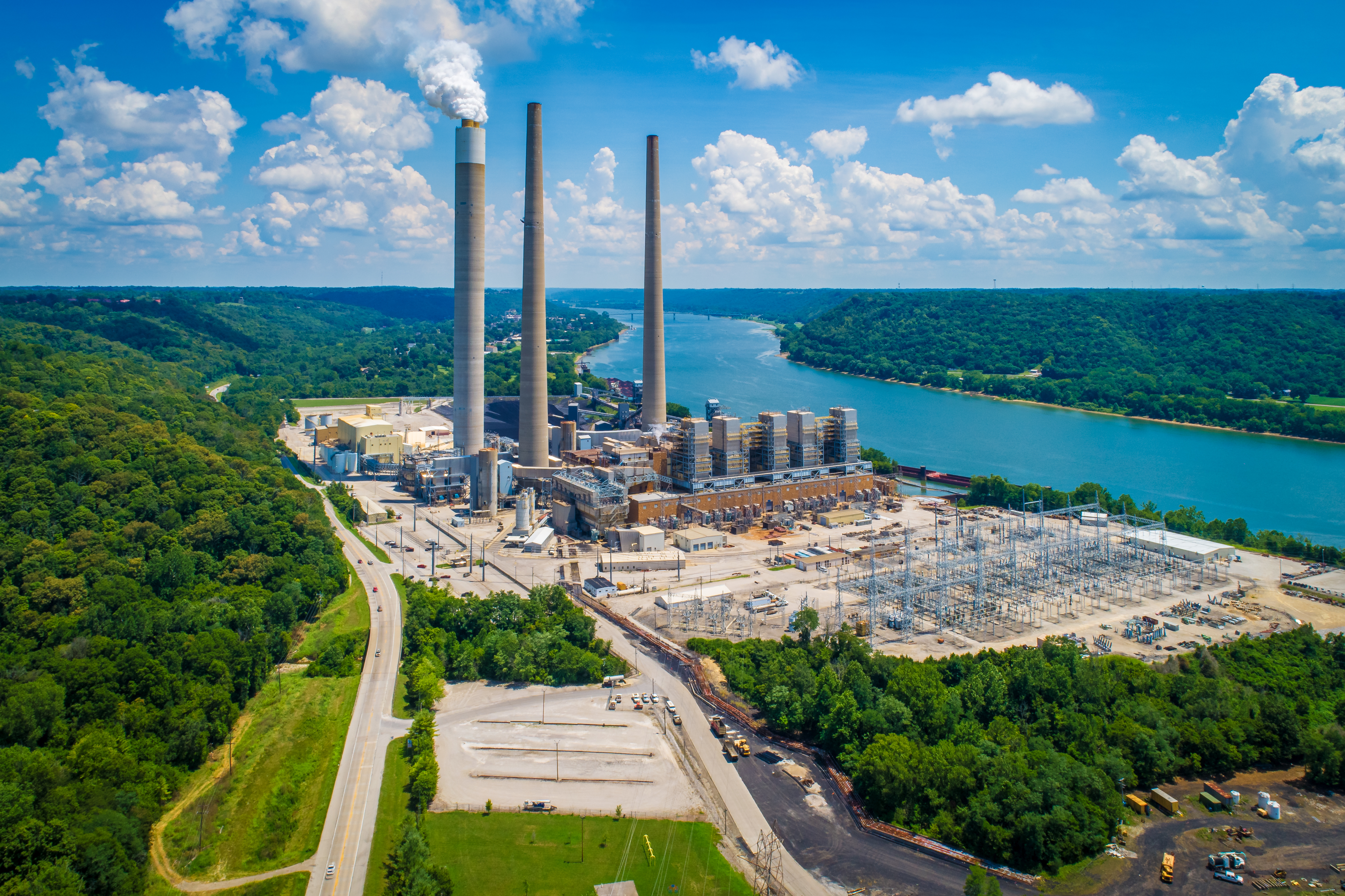
On July 21, 2023, the Environmental Protection Agency published a final rule eliminating an affirmative defense for Clean Air Act permit emissions violations caused by “emergency” circumstances. “Major sources” (i.e. sources with actual or potential emissions above certain emission thresholds) are required under Title V of the Clean Air Act to obtain operating permits. When… Continue reading
-
Embracing Environmental Justice Initiatives to Advance Corporate Objectives

Earth Week 2023 brought with it two significant environmental justice developments. The week began with New Jersey Governor Phil Murphy announcing the adoption of regulations aimed at reducing pollution in historically overburdened communities and those disproportionately impacted by health and environmental stressors. President Biden then capped the week off by issuing an Executive Order on Revitalizing… Continue reading
-
EPA Finalizes “Good Neighbor Plan” Targeting Ozone-Creating NOx Emissions in 23 States

On March 15, 2023, EPA finalized its Good Neighbor Plan under the Clean Air Act (“CAA”), a rule designed to reduce smog-forming nitrogen oxide pollution from power plants and other industrial facilities in 23 upwind states that impact compliance with ambient air quality standards in downwind states. Continue reading
-
Existing Clean Power and Eligibility for Hydrogen Production Tax Credits: “Additionality” Doesn’t Add Up

The Inflation Reduction Act promises to transform the energy sector in many ways, but among the most exciting is the hydrogen production tax credit, which provides a production tax credit, over a ten year period beginning with the date a facility is placed in service, of up to 60 cents per kilogram of “clean hydrogen”… Continue reading
-
EPA Proposes Significant Change to Particulate Matter Air Quality Standards

On January 6, 2023, EPA announced that is was issuing a proposed rule to lower the National Ambient Air Quality Standards (“NAAQS”) for fine particulate matter (“PM2.5”), also referred to as soot. Continue reading
-
Proposed Fugitive Emissions Amendments Bring Clarity to Major Source Permitting Requirements

On October 14, 2022, the United States Environmental Protection Agency (USEPA) published proposed revisions to the Clean Air Act’s New Source Review (NSR) permitting regulations. Continue reading