
EPA
-
MethaneSat Joins Greenhouse Gas Monitoring Constellation

On March 4, 2024, MethaneSat, a satellite developed by a subsidiary of the Environmental Defense Fund that will locate and quantify methane emissions from oil and gas operations, was launched into orbit. According to the MethaneSat website, the satellite will be able to quantify regional-scale methane emissions from oil and gas operations down to areas… Continue reading
-
In a Choose Your Own Adventure – Approach, EPA Proposes Greenhouse Gas Emissions Standards for New and Existing Power Plants

Today, the US Environmental Protection Agency released its long-awaited proposal for New Source Performance Standards for Greenhouse Gas Emissions from New, Modified, and Reconstructed Fossil Fuel-Fired Electric Generating Units; Emission Guidelines for Greenhouse Gas Emissions from Existing Fossil Fuel-Fired Electric Generating Units; and Repeal of the Affordable Clean Energy Rule (Proposed GHG Rule). This article… Continue reading
-
New WOTUS Rule Halted in Half of Country by Federal District Court
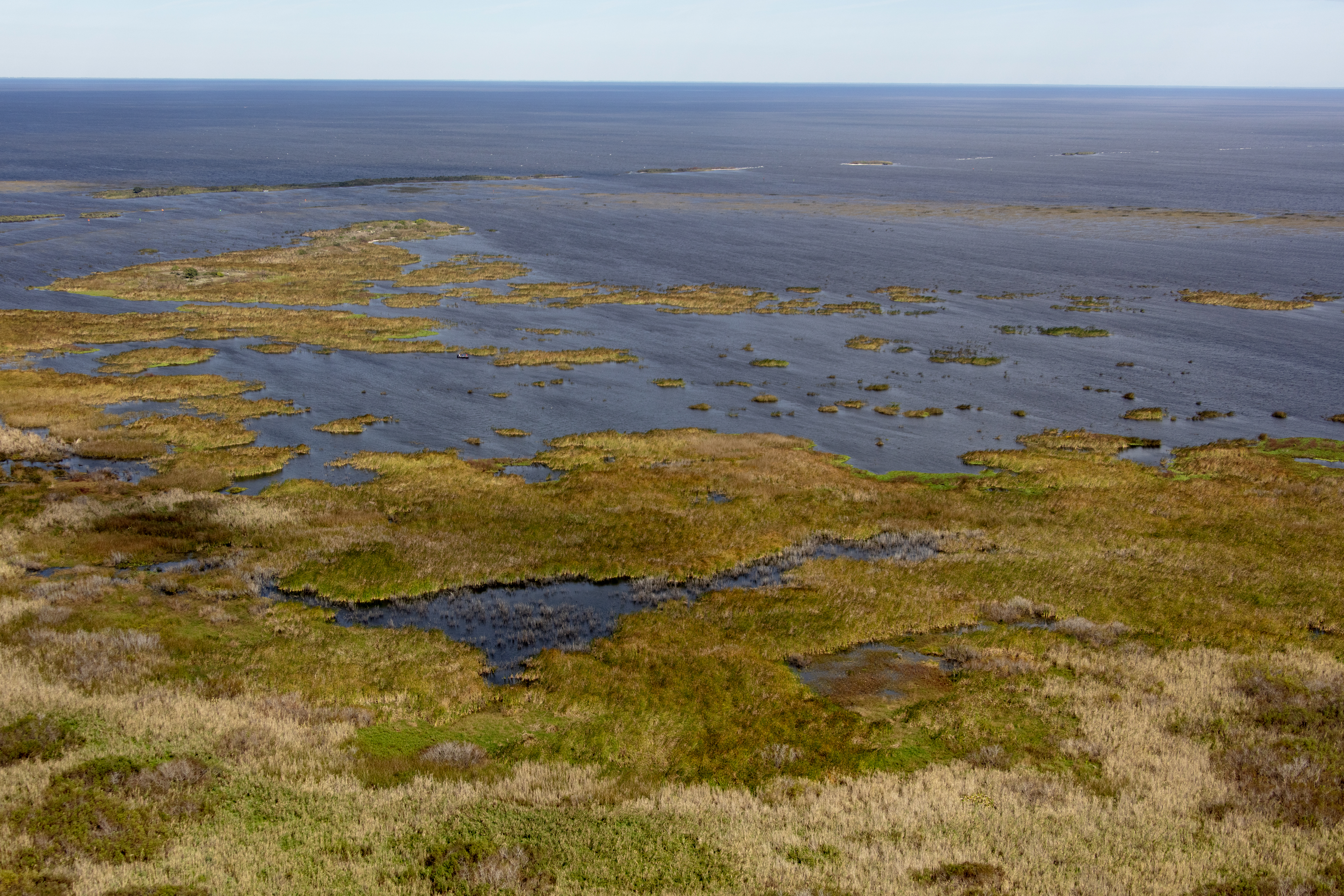
On April 12, 2023, a federal district court judge in North Dakota issued a temporary injunction blocking implementation of the EPA and Army Corps of Engineers regulations redefining Waters of the United States (“WOTUS”) under the Clean Water Act (“CWA”) (the “2023 WOTUS Rule”). Continue reading
-
Incorporating PFAS in Industrial Wastewater Discharge Permits to Minimize Risk or Extent of Future CERCLA Liability
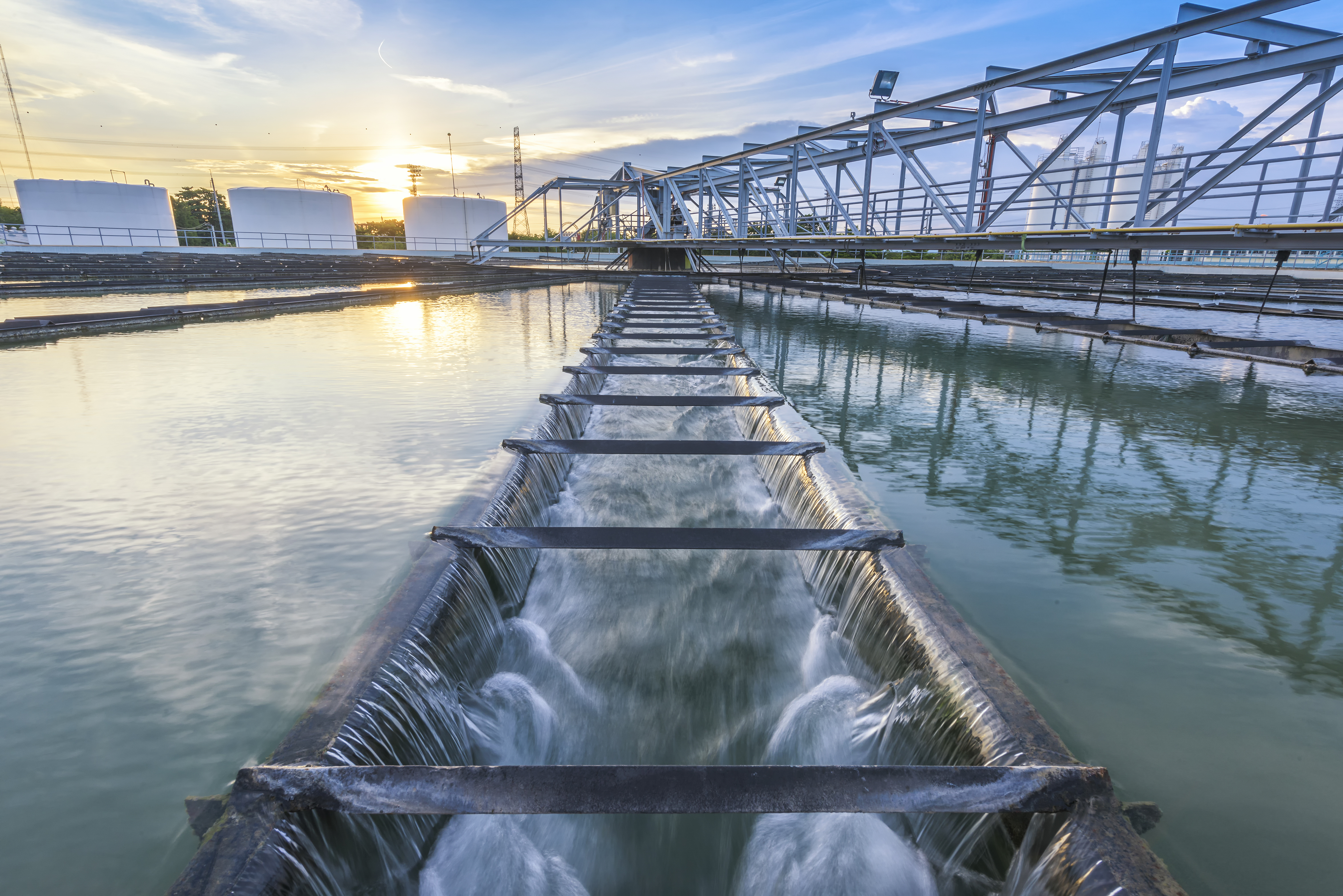
PFAS are being detected in drinking water systems across the United States. Moreover, evolving regulatory developments already require or soon will require that public water systems sample for and remediate these chemicals (see, e.g., here). Continue reading
-
EPA Finalizes “Good Neighbor Plan” Targeting Ozone-Creating NOx Emissions in 23 States
On March 15, 2023, EPA finalized its Good Neighbor Plan under the Clean Air Act (“CAA”), a rule designed to reduce smog-forming nitrogen oxide pollution from power plants and other industrial facilities in 23 upwind states that impact compliance with ambient air quality standards in downwind states. Continue reading
-
Getting Ahead of Advancing Earth-Observing Satellite Capabilities

The regulated community should be considering how Earth-observing satellites may enhance regulators’ and non-governmental organizations’ (NGOs’) ability to detect, measure, and monitor pollution. According to the Land Remote Sensing Satellites Online Compendium, a resource developed by the U.S. Geological Survey, there are 295 Earth-observing satellites that are operational, and 59 are under development. At a… Continue reading
-
Carbon Dioxide Capture and Storage: A Pathway for Greenhouse Gas Emission Reductions

As businesses continue to optimize their environmental, social, and governance (ESG) strategies, an important arrow in the ESG quiver may be carbon dioxide (CO2) capture and storage (CCS). CCS involves capturing, compressing, transporting, and then injecting CO2 into deep underground porous rock formations for long-term storage, known as geological sequestration (GS). These formations are often… Continue reading
-
EPA Proposes Significant Change to Particulate Matter Air Quality Standards

On January 6, 2023, EPA announced that is was issuing a proposed rule to lower the National Ambient Air Quality Standards (“NAAQS”) for fine particulate matter (“PM2.5”), also referred to as soot. Continue reading
-
EPA and the Army Corps Finalize WOTUS Rule, Again

On December 30, 2022, U.S. Environmental Protection Agency (“EPA”) and the U.S. Army Corps of Engineers (“Army Corps”) announced they had finalized the rule establishing the definition of “waters of the United States” (“WOTUS”) under the Clean Water Act (“CWA”) (the “WOTUS Rule”). Continue reading
-
U.S. EPA Adopts Expanded Definition of PFAS on Its Drinking Water Contaminants List

On November 2, 2022, U.S. EPA released the pre-publication version of the fifth contaminant candidate list (CCL 5) containing 66 chemicals, 12 microbes, and three chemical groups (per- and polyfluoroalkyl substances (PFAS), cyanotoxins, and disinfection byproducts. Continue reading