
PFAS
-
Earth Day 2023–Investing in a Balanced Approach to Emerging Contaminants

In the 1962 book, Silent Spring, Rachel Carson brought to the forefront of public attention contaminants of emerging concern (CECs). CECs, or emerging contaminants, are chemicals or materials that can be characterized by a perceived, potential or real threat to human health or the environment. Continue reading
-
Incorporating PFAS in Industrial Wastewater Discharge Permits to Minimize Risk or Extent of Future CERCLA Liability
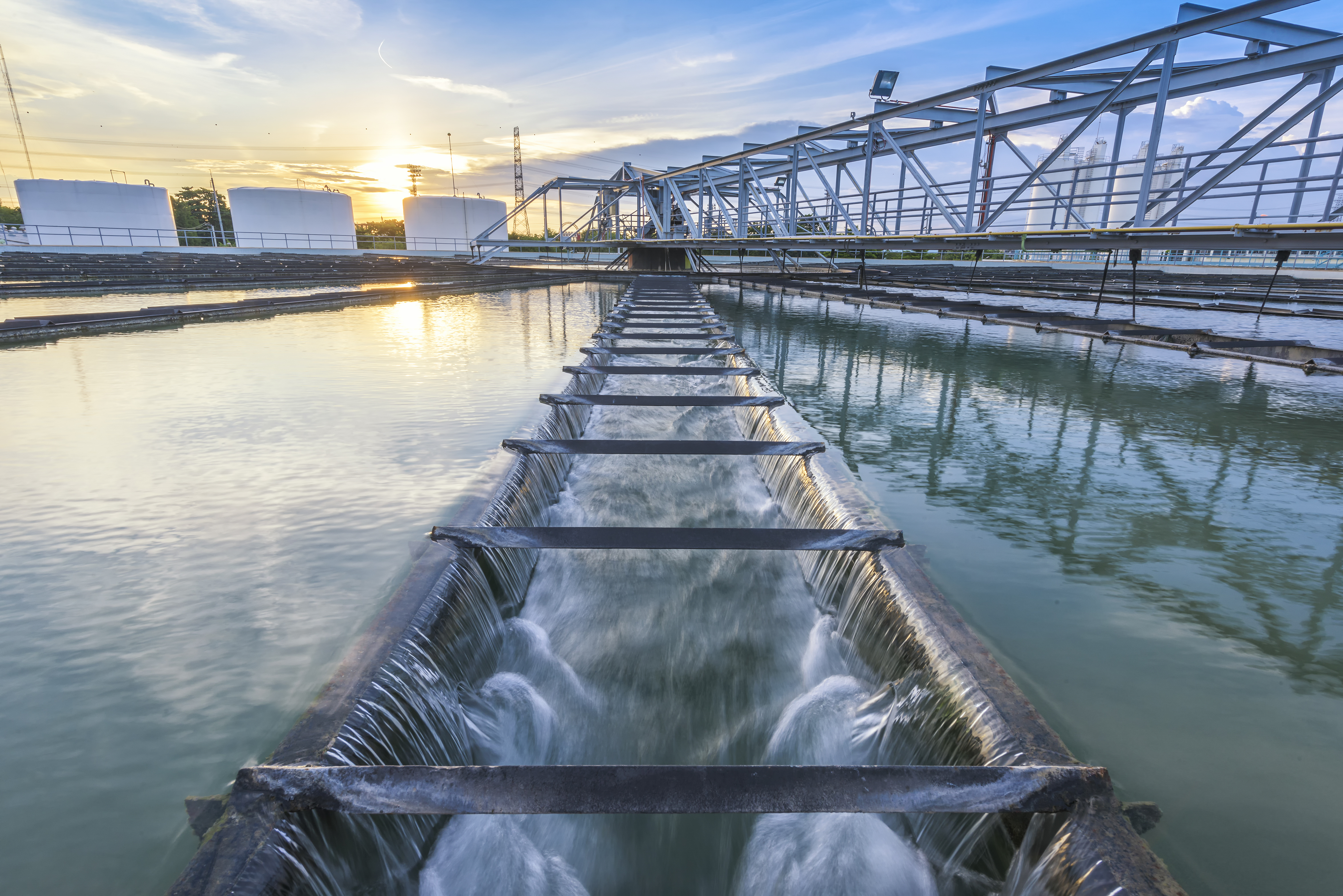
PFAS are being detected in drinking water systems across the United States. Moreover, evolving regulatory developments already require or soon will require that public water systems sample for and remediate these chemicals (see, e.g., here). Continue reading
-
How Low Did U.S. EPA Go–U.S. EPA Issues Its Long-Awaited Draft PFAS Drinking Water Standards

Almost two years to the date after U.S. EPA issued its regulatory determination for contaminants on the forth Contaminant Candidate List, U.S. EPA has issued its draft rule setting drinking water limits for several PFAS compounds. Specifically. U.S. EPA’s draft rule proposes a four part per trillion (ppt) maximum contaminant level (MCL) for perfluorooctanoic acid (PFOA)… Continue reading
-
Maine Proposed Rule Provides Further Reporting Clarity for Products and Product Components Containing PFAS

On February 14, 2023, the Maine Department of Environmental Protection (MDEP) issued a proposed draft rule that provides guidance on reporting requirements and sales prohibitions for products and product components containing intentionally added Per- and Polyfluoroalkyl substances (PFAS). This proposed rule comes on the heels of two prior MDEP concept drafts and public hearings attended… Continue reading
-
EPA Proposes Rule to Enhance Reporting of PFAS Data to the Toxics Release Inventory

On December 5, 2022, the United States Environmental Protection Agency (USEPA) proposed a rule eliminating an exemption that currently allows facilities to avoid reporting the use of small concentrations of Per- and polyfluoroalkyl substances (PFAS). Continue reading
-
U.S. EPA Adopts Expanded Definition of PFAS on Its Drinking Water Contaminants List
On November 2, 2022, U.S. EPA released the pre-publication version of the fifth contaminant candidate list (CCL 5) containing 66 chemicals, 12 microbes, and three chemical groups (per- and polyfluoroalkyl substances (PFAS), cyanotoxins, and disinfection byproducts. Continue reading
-
Governor Newsom Vetoes PFAS Reporting Bill But Signs Into Law Legislation Banning PFAS in Cosmetics and Textiles

On September 29, 2022, Governor Gavin Newsom vetoed Assembly Bill No. 2247. The bill would have required manufacturers of per- and polyfluoroalkyl substances (PFAS) or products or product components containing intentionally added PFAS to register the PFAS or products or product components on a publicly accessible data collection interface, along with other information. Continue reading
-
A Risky Dance: When Emerging Contaminants Comingle With CERCLA Hazardous Substances

The distinction between CERCLA hazardous substances and all else, including pollutants or contaminants, is important because CERCLA liability is triggered by the existence of a “hazardous substance” at a site, nothing else. Continue reading
-
OMB Throws Potential Speed Bump in Front of U.S. EPA’s Efforts to Designate PFAS as CERCLA Hazardous Substances
On August 12, 2022, the Office of Management and Budget (OMB) completed its review of U.S. EPA’s proposed rule to designate perfluorooctanoic acid (PFOA) and perfluorooctanesulfonic acid (PFOS) as CERCLA hazardous substances. Continue reading
-
How Low Can You Go—U.S. EPA Attempts to Answer that Question With New PFAS Health Advisory Levels
U.S. EPA issued its long anticipated interim updated drinking water health advisories for perfluorooctanoic acid (PFOA) and perfluorooctane sulfonic acid (PFOS) that replace previous health advisories for these per- and polyfluoroalkyl substances (PFAS) that had been set at 70 parts per trillion (ppt). Continue reading