Environmental Law
-
New EPCRA Hazardous Chemical Inventory Reporting Amendments Aim to Streamline Reporting Requirements
Last month, the United States Environmental Protection Agency (USEPA) published a direct final rule that conforms Emergency Planning and Community Right-to-Know Act (EPCRA) chemical inventory reporting regulations to the Occupational Safety and Health Administration (OSHA) Hazard Communication Standard. The amendments modify how regulated facilities categorize and report hazardous chemicals to state and local emergency response… Continue reading
-
Recent OSHA Activity Provides Additional Mitigation Opportunities to Employers
Recent actions by the Occupational Safety and Health Administration may provide employers additional opportunities for penalty and enforcement relief. On July 14, 2025, the U.S. Department of Labor updated OSHA penalty guidelines in actions described as designed to improve workplace safety. OSHA’s penalty guidelines are provided in Chapter 6 of its Field Operations Manual. Under… Continue reading
-
Client Alert: OSHA’s Deregulatory Agenda Takes Shape
On July 1, 2025, the Occupational Safety and Health Administration (OSHA) published twenty-five proposed rules and one final rule taking actions that include limiting OSHA’s application of the General Duty Clause, removing respiratory protection medical requirements, and eliminating dozens of other regulatory requirements that the agency contends are outdated or duplicative. Many of these actions… Continue reading
-
New EPA Proposal Targets Rollback of Power Plant Emissions Rules
Two weeks ago, the Environmental Protection Agency (EPA) released its proposed repeal of the rules governing greenhouse gas emissions from fossil fuel-fired power plants. Included within the proposal is a new legal interpretation of the standard for regulating stationary sources under Section 111 of the Clean Air Act. This new interpretation could constrain the Agency’s… Continue reading
-
Inclusion of Microplastics in the Sixth Unregulated Contaminant Monitoring Rule?

According to a Law360 article, U.S. EPA said in a statement to Law360 that it’s reviewing a November 2024 petition from 175 environmental groups to include microplastics in the Sixth Unregulated Contaminant Monitoring Rule (UCMR 6) under the Safe Drinking Water Act (SDWA). The SDWA requires the EPA to create a list of up to… Continue reading
-
Legal Considerations Concerning the End-of-Life Management of Solar, Wind, and Battery Technologies in the US

Solar, wind, and battery technologies have, and will continue to be, front and center of the renewable energy and clean technology transition. Entities in the renewable energy and clean technology space should be closely following legal developments concerning the end-of-life management of these technologies, particularly as their end-of-life approaches and federal and state requirements evolve.… Continue reading
-
California Vehicle Waiver: Congressional Review Act Showdown
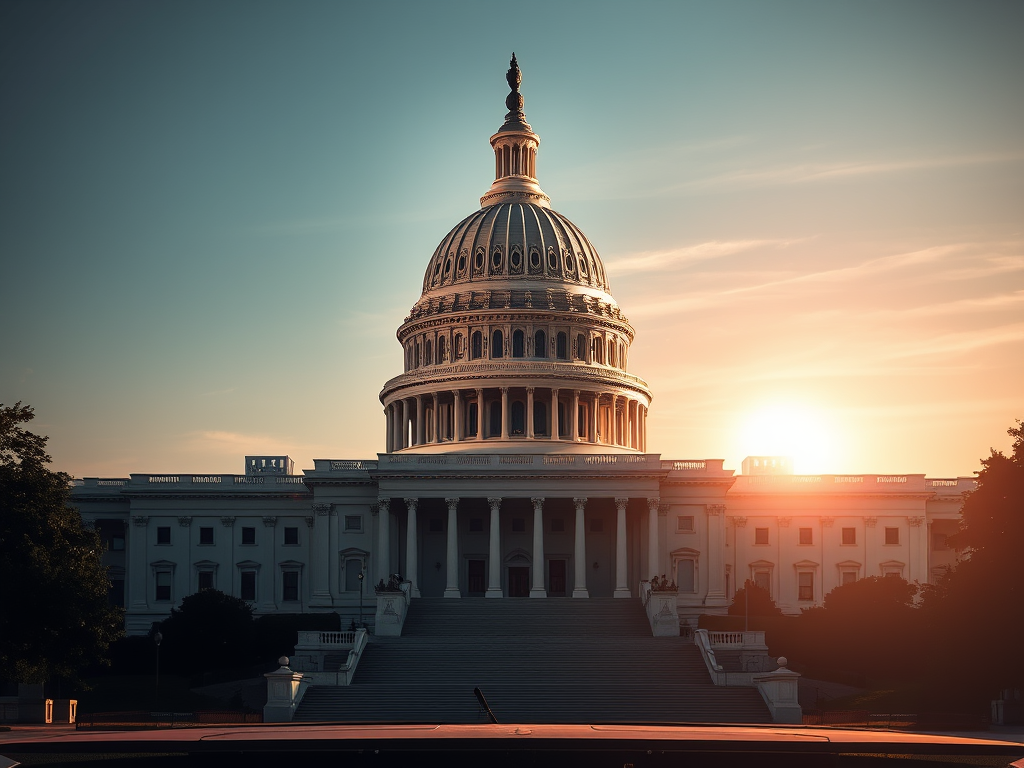
The Congressional Review Act (“CRA”), enacted in 1996, allows Congress to disapprove federal regulations promulgated by government agencies within 60 legislative working days after the rule is submitted to Congress. In order to disapprove a federal regulation, Congress must approve a joint resolution of disapproval that then goes to the President for signature. If the… Continue reading
-
The First 150 Days: Executive Orders and Public Land Development

After 150 days in office, President Trump has signed executive orders on a pace of more than one per day. An emerging priority of the administration is increasing the use of federal land for resource production. This post reviews those orders, which target energy policy overall, specific resource-rich areas under the United States’s control, and… Continue reading
-
Supreme Court Limits Scope of NEPA’s Analysis of Upstream and Downstream Environmental Impacts of Federal Actions
On May 29, 2025, in a 8-0 ruling (Justice Gorsuch recused himself from the case), the Supreme Court held that the U.S. Court of Appeals for the D.C. Circuit erred in requiring federal regulators to evaluate the potential environmental impacts on Gulf Coast communities of an 88-mile rail line in Utah. As discussed in more… Continue reading
-
What’s WOTUS Got to Do with It? Impact of Recent Clean Water Act Regulatory Changes on Renewable Energy Development

Closing out our Earth Week series this year, we provide an update on recent Clean Water Act regulatory developments and discuss their impact on renewable energy development. The Clean Water Act establishes federal jurisdiction over “navigable waters,” defined in the Act as “waters of the United States” (“WOTUS”). The term WOTUS is not defined in… Continue reading
