-
Legal Considerations Concerning the End-of-Life Management of Solar, Wind, and Battery Technologies in the US
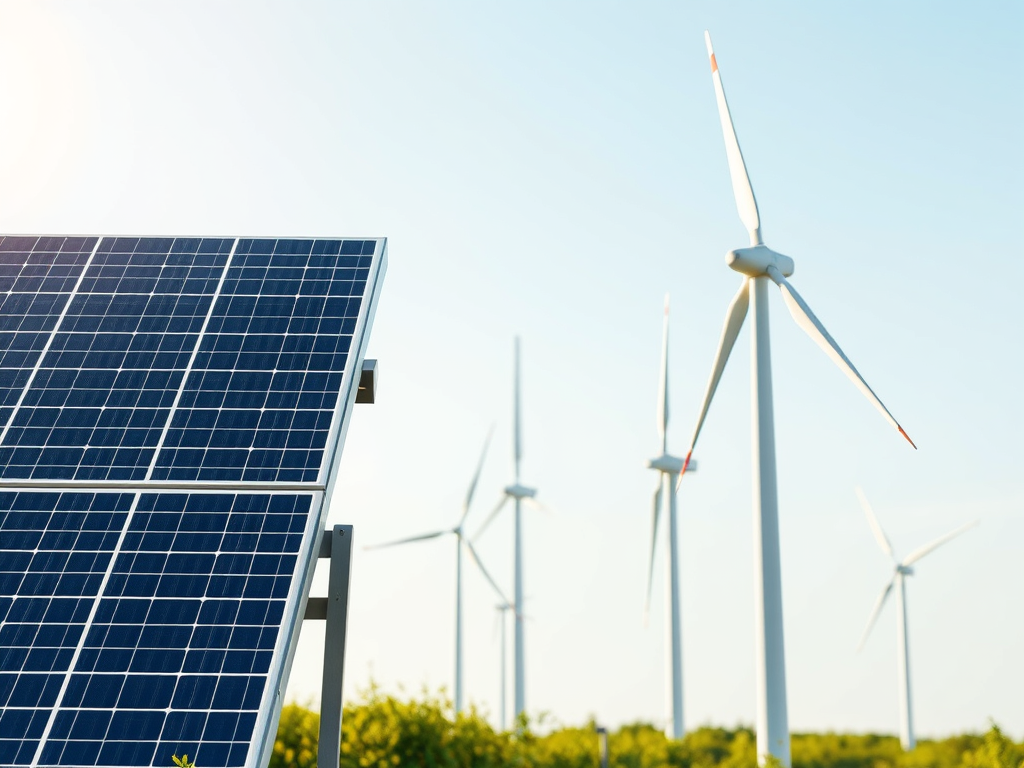
Solar, wind, and battery technologies have, and will continue to be, front and center of the renewable energy and clean technology transition. Entities in the renewable energy and clean technology space should be closely following legal developments concerning the end-of-life management of these technologies, particularly as their end-of-life approaches and federal and state requirements evolve.…
-
California Vehicle Waiver: Congressional Review Act Showdown
The Congressional Review Act (“CRA”), enacted in 1996, allows Congress to disapprove federal regulations promulgated by government agencies within 60 legislative working days after the rule is submitted to Congress. In order to disapprove a federal regulation, Congress must approve a joint resolution of disapproval that then goes to the President for signature. If the…
-
The First 150 Days: Executive Orders and Public Land Development

After 150 days in office, President Trump has signed executive orders on a pace of more than one per day. An emerging priority of the administration is increasing the use of federal land for resource production. This post reviews those orders, which target energy policy overall, specific resource-rich areas under the United States’s control, and…
-
What’s WOTUS Got to Do with It? Impact of Recent Clean Water Act Regulatory Changes on Renewable Energy Development
Closing out our Earth Week series this year, we provide an update on recent Clean Water Act regulatory developments and discuss their impact on renewable energy development. The Clean Water Act establishes federal jurisdiction over “navigable waters,” defined in the Act as “waters of the United States” (“WOTUS”). The term WOTUS is not defined in…
-
Just Keep Spinning? – The Future of American Wind Power
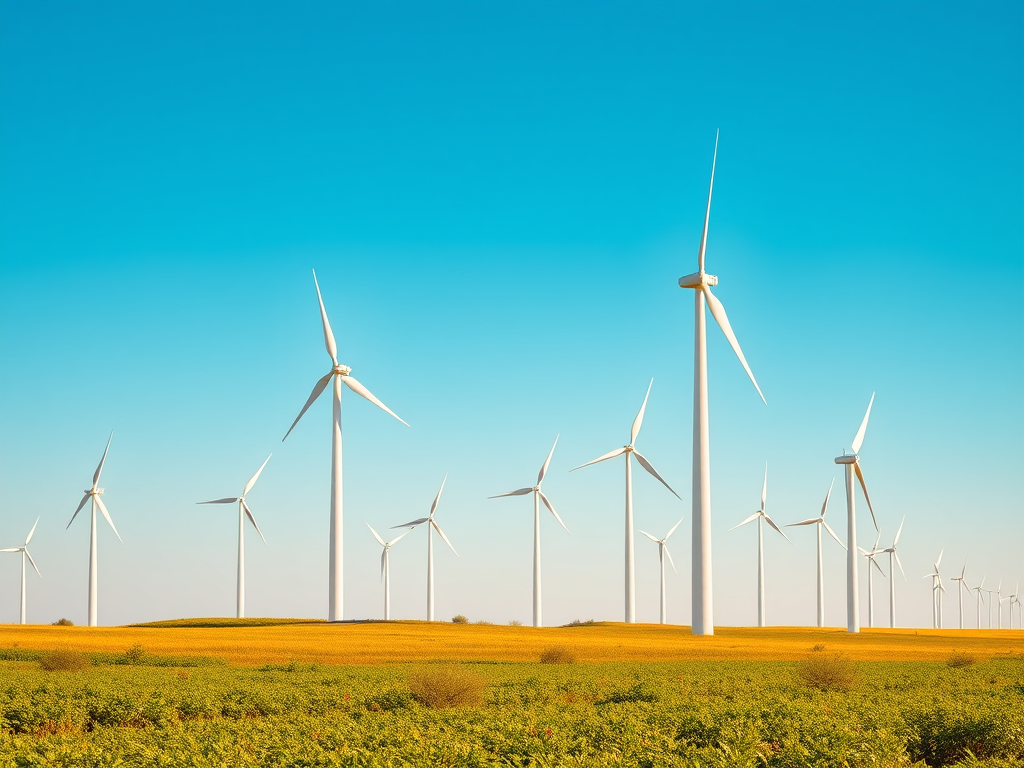
Earth Day organizers consider wind power essential for reaching the Our Power, Our Planet goals. However, the future of American wind power is uncertain. Wind power accounts for around 10% of all power generated in the United States. In recent years, the federal government, and several states, were very committed to expanding wind power as…
-
How Geothermal and Hydropower are Positioned to Thrive in the Coming Years
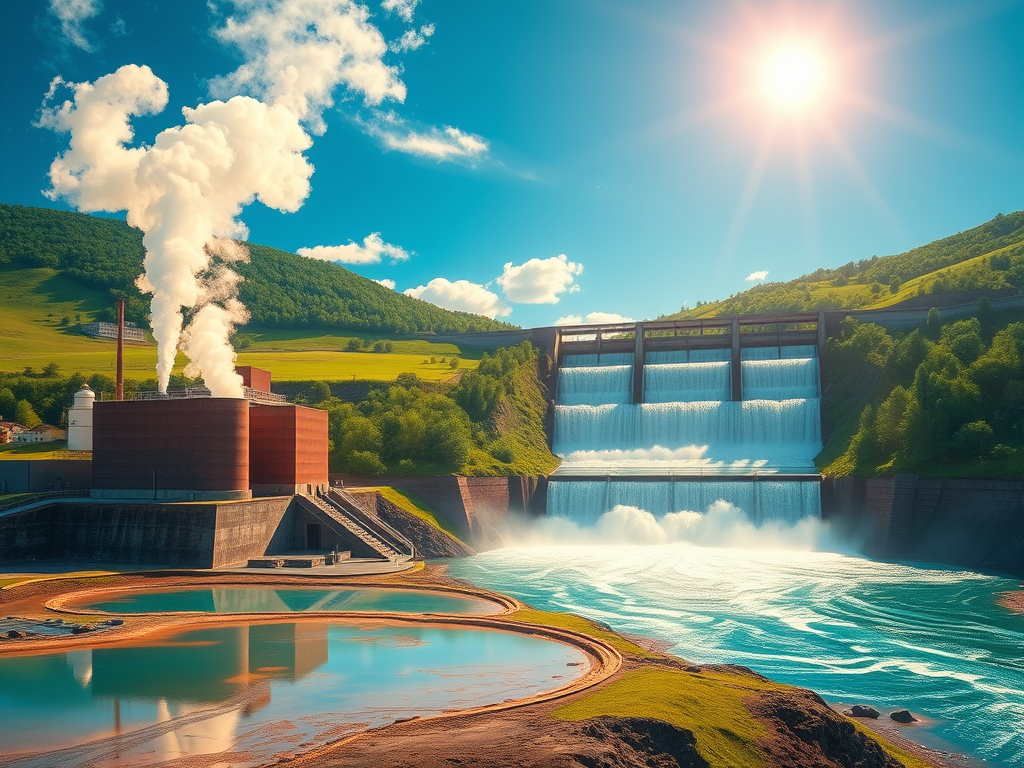
This year’s Earth Week theme, “Our Power, Our Planet,” focuses on renewable energy, specifically “championing solar, wind, hydroelectric, geothermal, and tidal generated energy.” The early days of the new Administration have seen a flurry of Executive Orders surrounding American energy production (discussed in more detail in our Client Alerts “Recent Executive Orders Affecting the Energy…
-
Fighting Fire with Fire: AI and the Fight Against Climate Change
William Shakespeare coined the phrase to fight “fire with fire” in 1623’s The Life and Death of King John.[1] A mere 402 years later, the same phrase used to describe English succession wars may apply to a newly formed, though equally existential, question of how to deal with climate change using a technology with a…
-
An Update on the Legal Landscape Surrounding Plastic Pollution
It’s hard to reflect on “Our Power, Our Planet” this Earth Day without discussing plastic. Plastic is deeply embedded in our daily lives. Consider, for example, the plastic packaging that came with your latest purchase, or the plastic utensils that accompanied your recent takeout order; also, the turf field at a sporting event you recently…