-
Just Keep Spinning? – The Future of American Wind Power
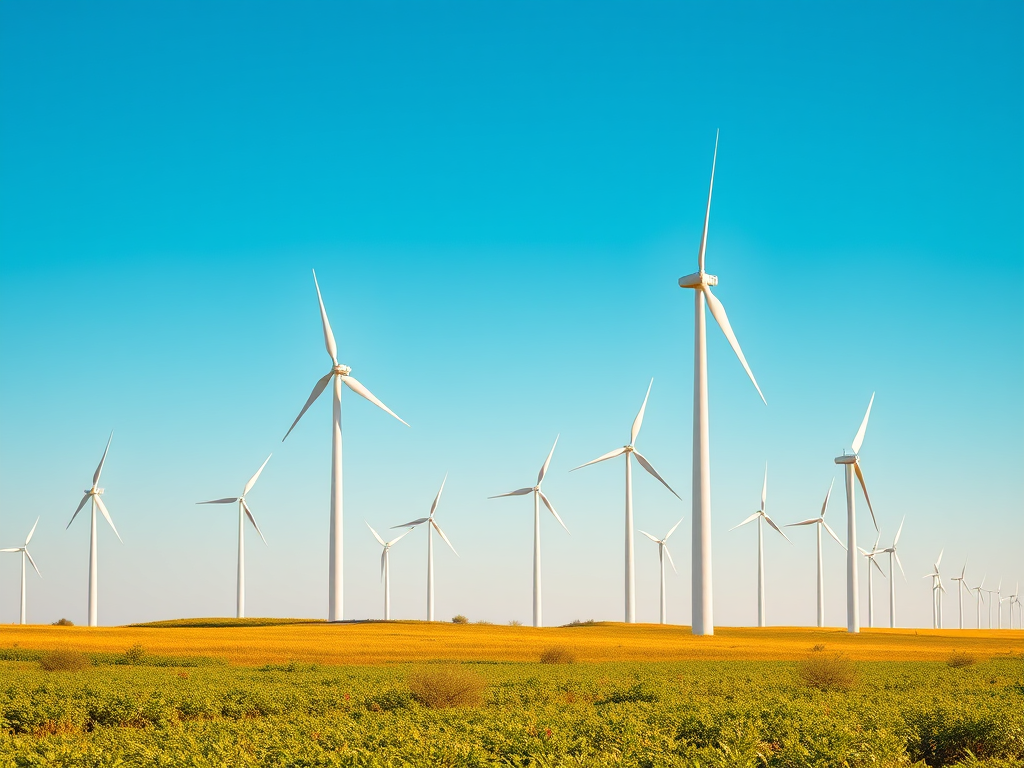
Earth Day organizers consider wind power essential for reaching the Our Power, Our Planet goals. However, the future of American wind power is uncertain. Wind power accounts for around 10% of all power generated in the United States. In recent years, the federal government, and several states, were very committed to expanding wind power as…
-
How Geothermal and Hydropower are Positioned to Thrive in the Coming Years
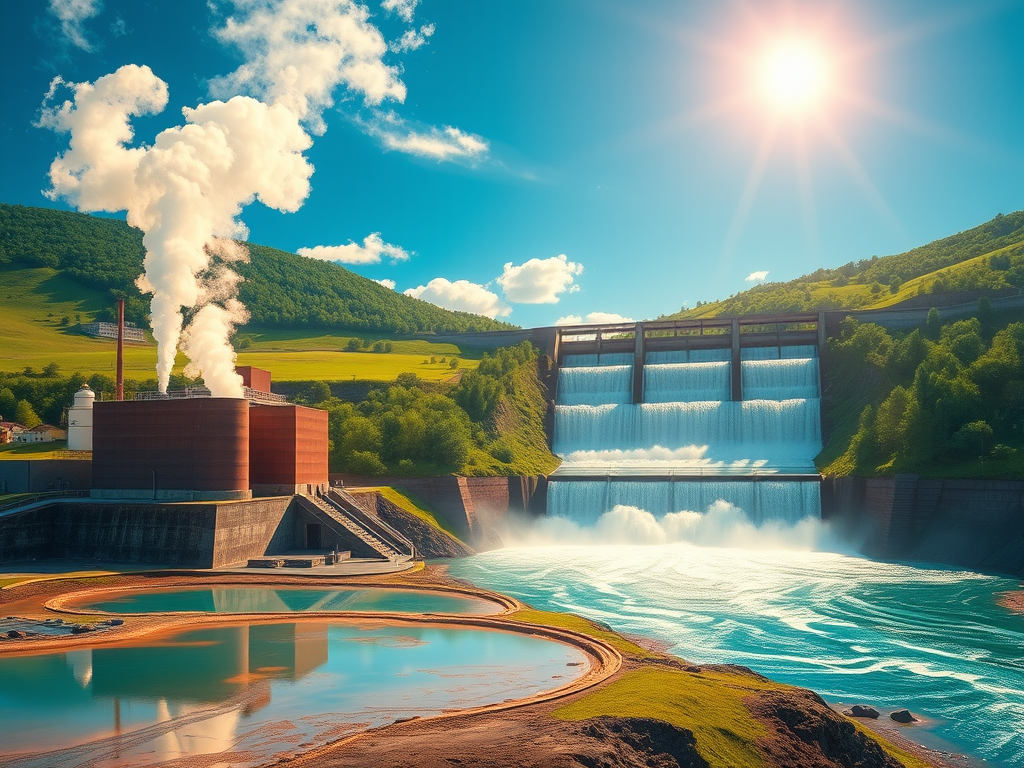
This year’s Earth Week theme, “Our Power, Our Planet,” focuses on renewable energy, specifically “championing solar, wind, hydroelectric, geothermal, and tidal generated energy.” The early days of the new Administration have seen a flurry of Executive Orders surrounding American energy production (discussed in more detail in our Client Alerts “Recent Executive Orders Affecting the Energy…
-
Fighting Fire with Fire: AI and the Fight Against Climate Change

William Shakespeare coined the phrase to fight “fire with fire” in 1623’s The Life and Death of King John.[1] A mere 402 years later, the same phrase used to describe English succession wars may apply to a newly formed, though equally existential, question of how to deal with climate change using a technology with a…
-
An Update on the Legal Landscape Surrounding Plastic Pollution

It’s hard to reflect on “Our Power, Our Planet” this Earth Day without discussing plastic. Plastic is deeply embedded in our daily lives. Consider, for example, the plastic packaging that came with your latest purchase, or the plastic utensils that accompanied your recent takeout order; also, the turf field at a sporting event you recently…
-
U.S. Fish and Wildlife Service Proposes Regulatory Change to Ease Endangered Species Act Restrictions

On April 17, 2025, the U.S. Fish and Wildlife Service and the National Marine Fisheries Service proposed a rulemaking to rescind the definition of “harm” in the Endangered Species Act regulations. The change is being made to conform to the statutory definition of “take,” which the agencies allege does not include habitat modification. The Endangered…
-
California Sunsets Majority of Non-Emergency Workplace COVID-19 Requirements
California Sunsets Majority of Non-Emergency Workplace COVID-19 Requirements By Daniel Robertson When the California Division of Occupational Safety and Health (“Cal/OSHA”) non-emergency COVID-19 prevention regulations took effect on February 3, 2023, they did so with a future sunset date of February 3, 2025, unless Cal/OSHA extended the effective date further. Cal/OSHA took no additional action,…
-
FAR Council Withdraws Proposed GHG Disclosure Rule as CARB Seeks Input on Implementation of Climate Disclosure Laws

On January 13, the Federal Acquisition Regulatory (FAR) Council withdrew the greenhouse gas (GHG) disclosure rule that it proposed in late 2022. As explained previously, the proposed rule would have required certain federal contractors to disclose their scope 1-3 GHG emissions and set science-based targets to reduce same, with the scope 3 disclosure and science-based…
-
California Issues First-of-its-kind Willful Heat Standard Violation

On December 12, 2024, the California Division of Occupational Safety and Health (Cal/OSHA) announced a first-of-its-kind citation for a willful violation of California’s Heat Illness Prevention regulations. Per the Agency’s press release, the citation carries with it a $276,425 penalty for deliberately and knowingly failing to follow heat protection requirements. Cal/OSHA’s findings include a failure…
-
EPA Finalizes National Strategy to Prevent Plastic Pollution

On November 21, 2024, the EPA issued its final National Strategy to Prevent Plastic Pollution, as required by the Save Our Seas 2.0 Act. This comes after the Agency received almost 92,000 comments on its draft strategy. The final strategy includes six objectives that aim to prevent plastic pollution throughout the plastics lifecycle, from plastic production to material and product…