
March 2023
-
Incorporating PFAS in Industrial Wastewater Discharge Permits to Minimize Risk or Extent of Future CERCLA Liability
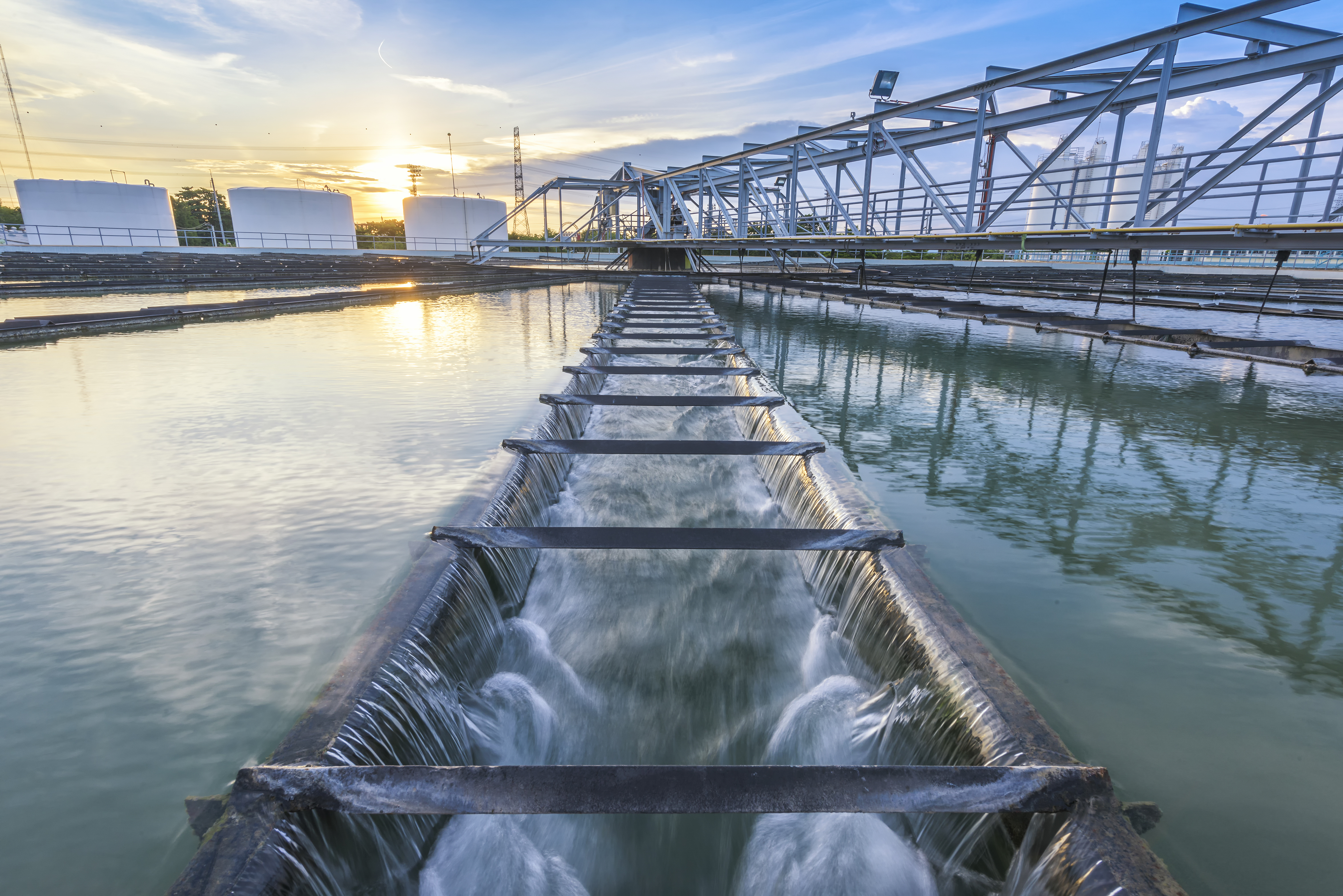
PFAS are being detected in drinking water systems across the United States. Moreover, evolving regulatory developments already require or soon will require that public water systems sample for and remediate these chemicals (see, e.g., here). Continue reading
-
EPA Finalizes “Good Neighbor Plan” Targeting Ozone-Creating NOx Emissions in 23 States

On March 15, 2023, EPA finalized its Good Neighbor Plan under the Clean Air Act (“CAA”), a rule designed to reduce smog-forming nitrogen oxide pollution from power plants and other industrial facilities in 23 upwind states that impact compliance with ambient air quality standards in downwind states. Continue reading
-
How Low Did U.S. EPA Go–U.S. EPA Issues Its Long-Awaited Draft PFAS Drinking Water Standards

Almost two years to the date after U.S. EPA issued its regulatory determination for contaminants on the forth Contaminant Candidate List, U.S. EPA has issued its draft rule setting drinking water limits for several PFAS compounds. Specifically. U.S. EPA’s draft rule proposes a four part per trillion (ppt) maximum contaminant level (MCL) for perfluorooctanoic acid (PFOA)… Continue reading
-
Getting Ahead of Advancing Earth-Observing Satellite Capabilities

The regulated community should be considering how Earth-observing satellites may enhance regulators’ and non-governmental organizations’ (NGOs’) ability to detect, measure, and monitor pollution. According to the Land Remote Sensing Satellites Online Compendium, a resource developed by the U.S. Geological Survey, there are 295 Earth-observing satellites that are operational, and 59 are under development. At a… Continue reading