
Jenner & Block
-
New OEHHA Proposition 65 Acrylamide Warning Label Does Little to Resolve Pending First Amendment Challenges

The California Office of Administrative Law (OAL) recently approved a revised Proposition 65 warning label requirement for the use of acrylamide in food and beverages. Continue reading
-
Proposed Fugitive Emissions Amendments Bring Clarity to Major Source Permitting Requirements

On October 14, 2022, the United States Environmental Protection Agency (USEPA) published proposed revisions to the Clean Air Act’s New Source Review (NSR) permitting regulations. Continue reading
-
A Risky Dance: When Emerging Contaminants Comingle With CERCLA Hazardous Substances

The distinction between CERCLA hazardous substances and all else, including pollutants or contaminants, is important because CERCLA liability is triggered by the existence of a “hazardous substance” at a site, nothing else. Continue reading
-
Jenner & Block Wishes Bon Voyage to Gay Sigel as She Starts Her Next Adventure with the City of Chicago

As Gay Sigel walked through the doors at One IBM Plaza in Chicago, fresh out of law school and ready to launch her career as an attorney at Jenner & Block, she could not have envisioned the tremendous impact she would have on her clients, her colleagues, and her community over the next 39 years. Continue reading
-
U.S. EPA Offers Roadmap for Environmental Justice-Based Permit Denials

On August 16, 2022, U.S. EPA released its Interim Environmental Justice and Civil Rights in Permitting Frequently Asked Questions (FAQ) that provides guidance to federal, state, and local environmental permitting programs on integrating environmental justice (EJ) and civil rights into relevant environmental permitting decisions. Continue reading
-
OMB Throws Potential Speed Bump in Front of U.S. EPA’s Efforts to Designate PFAS as CERCLA Hazardous Substances

On August 12, 2022, the Office of Management and Budget (OMB) completed its review of U.S. EPA’s proposed rule to designate perfluorooctanoic acid (PFOA) and perfluorooctanesulfonic acid (PFOS) as CERCLA hazardous substances. Continue reading
-
How Low Can You Go—U.S. EPA Attempts to Answer that Question With New PFAS Health Advisory Levels
U.S. EPA issued its long anticipated interim updated drinking water health advisories for perfluorooctanoic acid (PFOA) and perfluorooctane sulfonic acid (PFOS) that replace previous health advisories for these per- and polyfluoroalkyl substances (PFAS) that had been set at 70 parts per trillion (ppt). Continue reading
-
U.S. EPA Updates Regional Screening Levels to Add Five New PFAS Chemicals

On May 18, 2022, U.S. EPA updated its Regional Screening Level tables to include five new per- and polyfluoroalkyl substances (PFAS). The five new PFAS compounds added to the RSL tables are hexafluoropropylene oxide dimer acid and its ammonium salt (HFPO-DA – sometimes referred to as GenX chemicals), perfluorooctanesulfonic acid (PFOS), perfluorooctanoic acid (PFOA), perfluorononanoic… Continue reading
CERCLA, Climate Change, Contamination, Emerging Contaminants, Groundwater, RCRA, Sustainability, WaterAgency for Toxic Substances and Disease, ammonium salt, CERCLA, Contamination, Corporate Environmental Lawyer, EPA, GenX chemicals, hexafluoropropylene oxide dimer acid, HFPO-DA, industrial soil, Jenner & Block, perfluorononanoic acid, perfluorooctanesulfonic acid, perfluorooctanoic acid, PFAS, PFHxS, PFNA, PFOA, PFOS, Polyfluoroalkyl, RCRA, Regional Screening Level, remediation, RSL, Steven M. Siros, tap water -
SEC Enforcement Division’s ESG Task Force “Lifts the Vale” on Its Scrutiny of ESG Disclosures
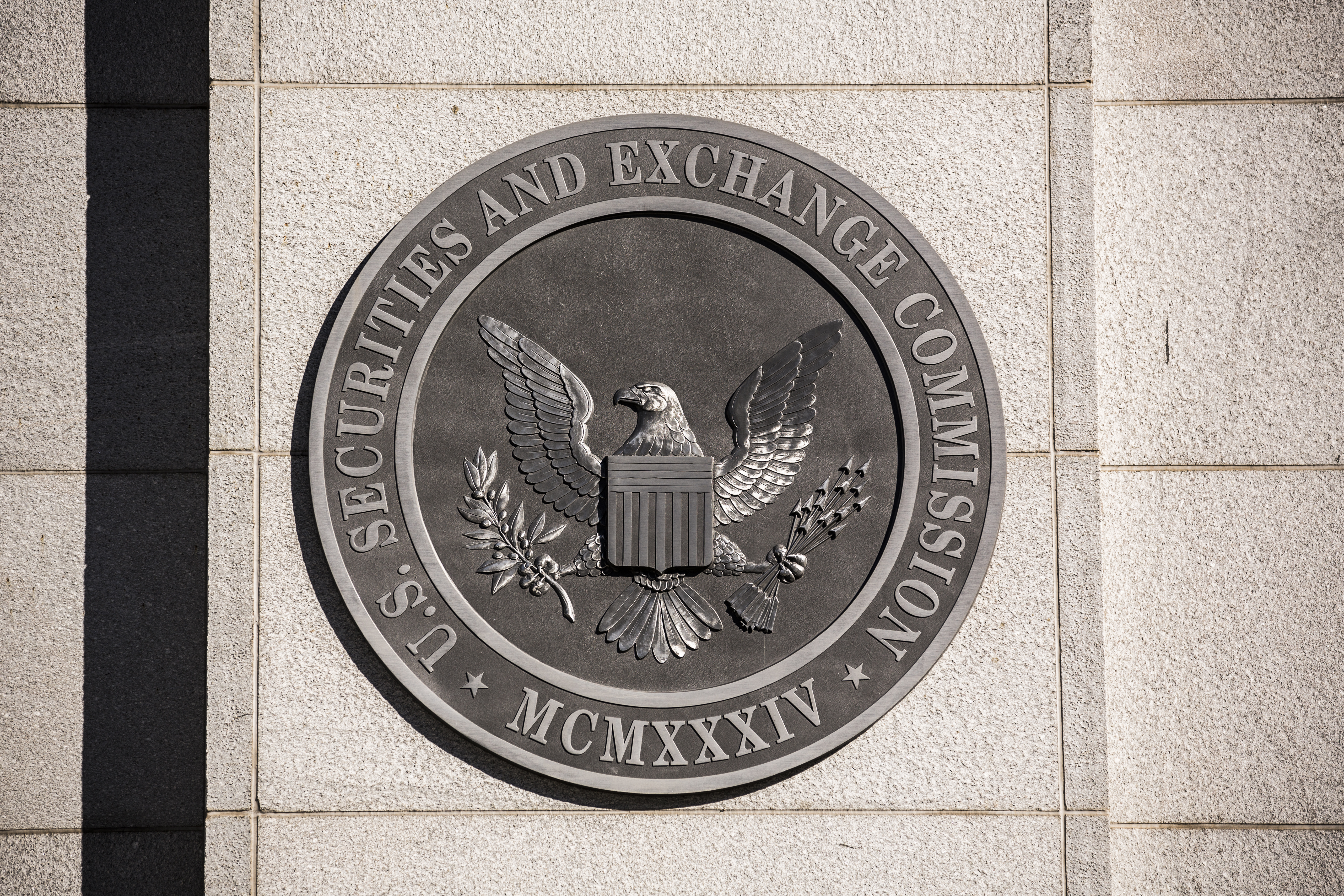
Since early 2021, the SEC has emphasized that ESG-related issues are important to investors and a key SEC disclosure and enforcement priority. Although the agency’s heightened focus on these issues led to the recent proposal for new climate disclosures, the SEC also has made clear that it would seek to bring cases under existing law… Continue reading
-
Vermont Joins Growing Number of States Allowing Medical Monitoring for Alleged Exposure to Chemicals

On April 21st, Vermont Governor Phil Scott signed into law Senate Bill 113 that provides a cause of action for medical monitoring for individuals exposed to toxic chemicals. Continue reading