
Jenner & Block
-
Embracing Environmental Justice Initiatives to Advance Corporate Objectives

Earth Week 2023 brought with it two significant environmental justice developments. The week began with New Jersey Governor Phil Murphy announcing the adoption of regulations aimed at reducing pollution in historically overburdened communities and those disproportionately impacted by health and environmental stressors. President Biden then capped the week off by issuing an Executive Order on Revitalizing Continue reading
-
In a Choose Your Own Adventure – Approach, EPA Proposes Greenhouse Gas Emissions Standards for New and Existing Power Plants

Today, the US Environmental Protection Agency released its long-awaited proposal for New Source Performance Standards for Greenhouse Gas Emissions from New, Modified, and Reconstructed Fossil Fuel-Fired Electric Generating Units; Emission Guidelines for Greenhouse Gas Emissions from Existing Fossil Fuel-Fired Electric Generating Units; and Repeal of the Affordable Clean Energy Rule (Proposed GHG Rule). This article… Continue reading
-
Department of Justice Secures First Title VI Environmental Justice Resolution Agreement

On May 4, 2023, the Department of Justice (DOJ) announced a first-of-its-kind Title VI environmental justice interim resolution agreement with the Alabama Department of Public Health (ADPH). The resolution follows an investigation DOJ and the Department of Health and Human Services (DHHS) initiated in November 2021 into whether ADPH violated Title VI of the Civil… Continue reading
-
New York Becomes First State to Pass Natural Gas Ban for New Construction
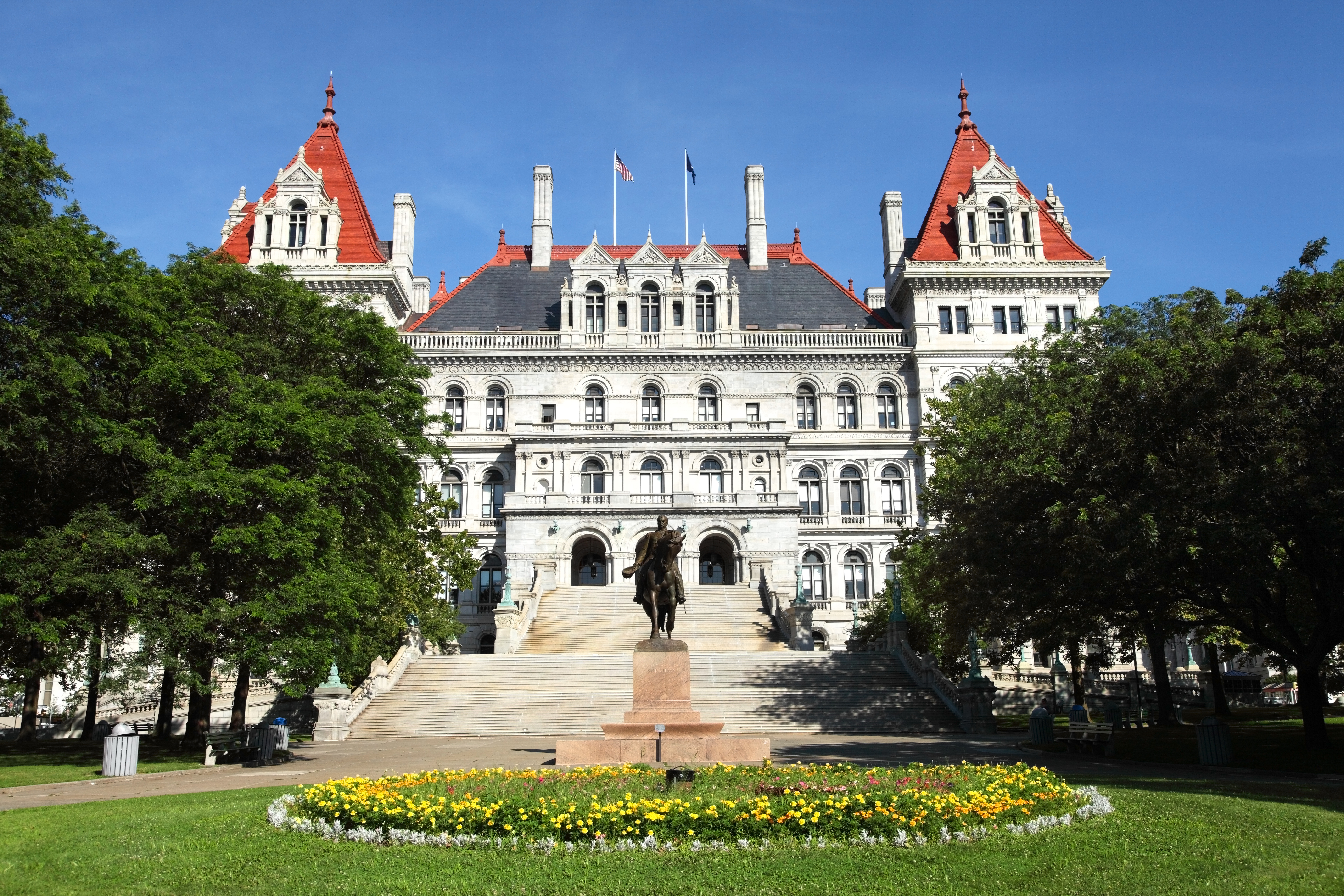
On May 2, 2023, New York passed its 2024 fiscal year budget, including a prohibition on fossil fuel equipment and building systems in new construction. The policy will go into effect in 2026 for new buildings not more than seven stories tall, except for new commercial or industrial buildings greater than one hundred thousand square… Continue reading
-
Biden Administration Underscores Environmental Justice Commitment with Earth Week Executive Order
Capping off Earth Week 2023, President Biden on Friday signed an executive order expanding the Administration’s Justice40 Initiative and creating a new White House Office of Environmental Justice. Continue reading
-
Incorporating PFAS in Industrial Wastewater Discharge Permits to Minimize Risk or Extent of Future CERCLA Liability
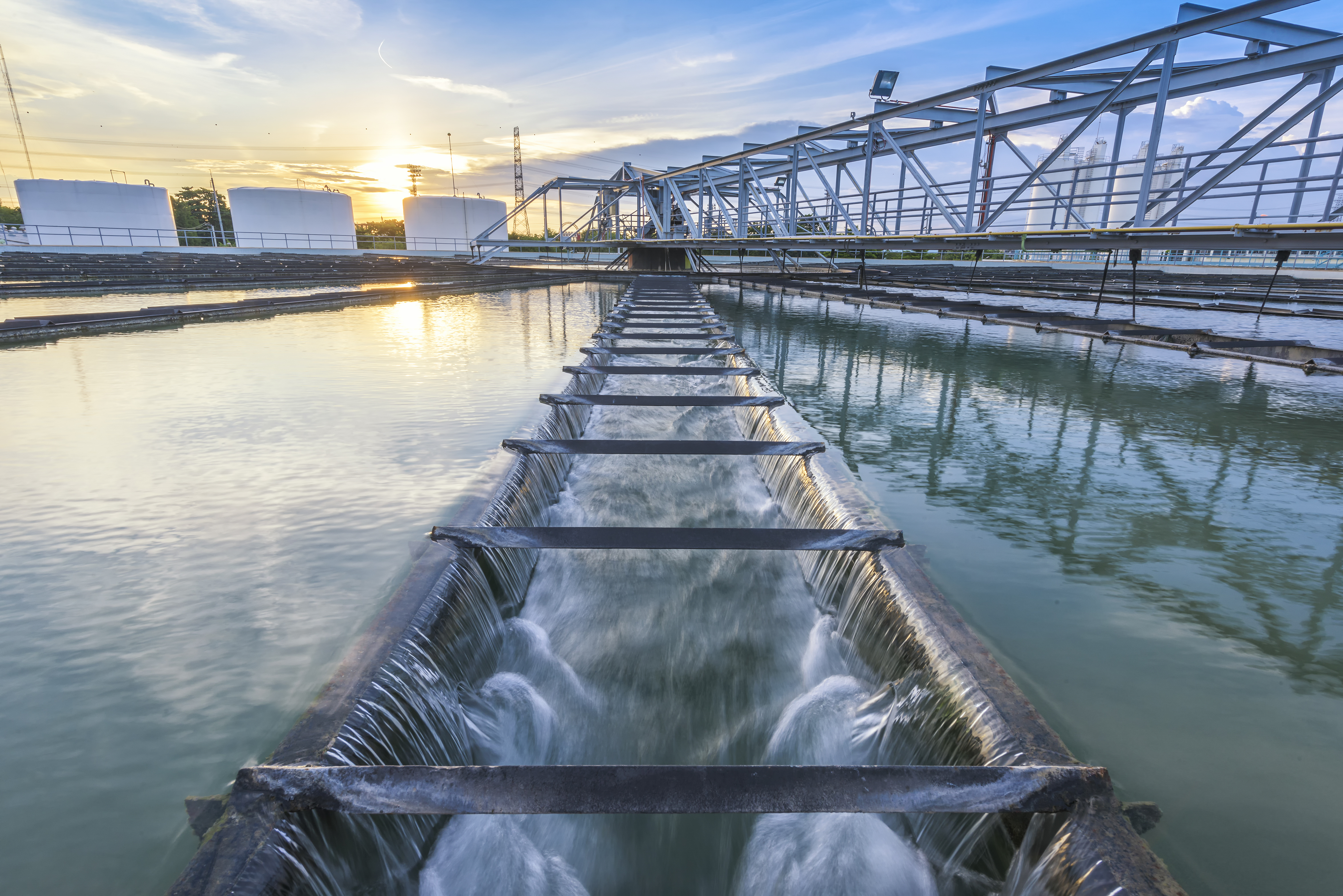
PFAS are being detected in drinking water systems across the United States. Moreover, evolving regulatory developments already require or soon will require that public water systems sample for and remediate these chemicals (see, e.g., here). Continue reading
-
Existing Clean Power and Eligibility for Hydrogen Production Tax Credits: “Additionality” Doesn’t Add Up

The Inflation Reduction Act promises to transform the energy sector in many ways, but among the most exciting is the hydrogen production tax credit, which provides a production tax credit, over a ten year period beginning with the date a facility is placed in service, of up to 60 cents per kilogram of “clean hydrogen”… Continue reading
-
Maine Proposed Rule Provides Further Reporting Clarity for Products and Product Components Containing PFAS

On February 14, 2023, the Maine Department of Environmental Protection (MDEP) issued a proposed draft rule that provides guidance on reporting requirements and sales prohibitions for products and product components containing intentionally added Per- and Polyfluoroalkyl substances (PFAS). This proposed rule comes on the heels of two prior MDEP concept drafts and public hearings attended Continue reading
-
California Adopts Non-Emergency COVID-19 Prevention Workplace Regulations

On December 15, 2022, the California Occupational Safety & Health Standards Board (Board) adopted COVID-19 prevention non-emergency workplace standards in a 6-1 vote. Continue reading
-
U.S. EPA Adopts Expanded Definition of PFAS on Its Drinking Water Contaminants List

On November 2, 2022, U.S. EPA released the pre-publication version of the fifth contaminant candidate list (CCL 5) containing 66 chemicals, 12 microbes, and three chemical groups (per- and polyfluoroalkyl substances (PFAS), cyanotoxins, and disinfection byproducts. Continue reading